Stark VARG Alpha 80 HP Buying Guide: Battery, Chassis & Electronics
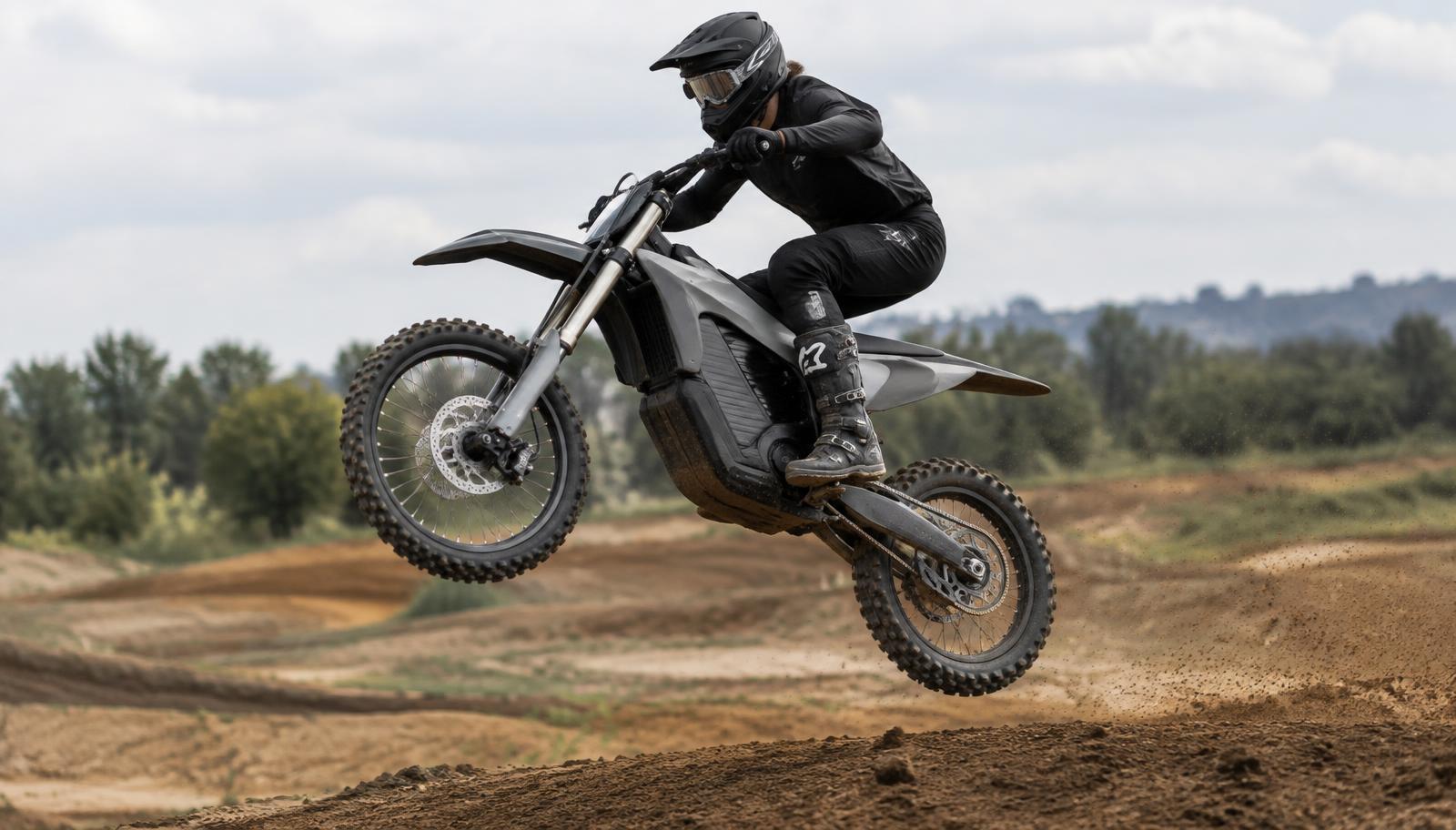
Inspecting a used Stark VARG Alpha 80 HP is different from checking a combustion motocross bike. There is no top end to assess and no engine oil to sample; value is concentrated in the high-voltage battery, powertrain cooling, controls and software-supported electronics. This guide puts those checks in a practical order.
Before inspecting an individual bike, compare its claimed configuration with Stark Future's official VARG specifications. Versions and factory equipment differ, so model documentation matters. After the mechanical and electrical checks, compare condition disclosures against the available VARG listing and the wider inventory.
What Is the Stark VARG Alpha?
The Stark VARG is a full-size electric motocross motorcycle from Stark Future. The Alpha 80 HP configuration is rated at up to 80 HP peak, runs a 7.2 kWh battery on a 420 V system with a 360 V nominal motor system, and produces 275 Nm at the countershaft and 978 Nm at the rear wheel.
Weight on the current Factory Edition specification is approximately 258 lbs, with KYB Factory suspension specification where applicable to the referenced Alpha / Factory configuration. The motor uses a carbon-fiber housing and a water-cooled casing as part of the powertrain cooling system.
It is designed as an off-road and motocross machine. We make no street-legal or road-registration claims for it; requirements differ by state and by the equipment on the individual unit.
80 HP Electric Power
The reason the VARG gets compared to 450cc gas machines is not the peak number on its own — it is how the power arrives.
An electric powertrain delivers maximum torque from zero rpm without a clutch or gearbox. On the VARG that means drive out of a rut with no downshift, a consistent launch off the gate, and a power curve that does not fall away when the revs drop. The 978 Nm rear wheel torque figure is what you feel; the 80 HP figure is what gets quoted.
The trade-off is that all of that output has to be managed electronically. Traction control, adjustable power delivery through the manufacturer's supported ride mode system, and regenerative braking are the tools that make the bike rideable at both ends of the rider skill range. Verify that all of them function on any used unit.
Battery Capacity and Battery Health
The 7.2 kWh pack is the single most valuable component. Everything else on the bike is replaceable at a cost you can plan for; the battery is not.
When assessing any used VARG, ask for:
- Measured usable capacity against the rated 7.2 kWh — not a dashboard percentage.
- Internal resistance figures, which rise as cells age and cause sag under load.
- Cell-group balance, because one weak group caps the entire pack.
- Charge history, including how often the bike was charged at high rate.
- Storage conditions, particularly whether the pack sat full, flat, or in extreme heat or cold.
Also confirm that the manufacturer's battery and electronic protection systems are functioning and that no fault codes are stored.
Why 98% Battery Health Matters
98% health means the pack measured roughly 98% of rated usable capacity. On a 7.2 kWh battery that is close to as-new, and it has three practical consequences:
1. Runtime matches expectations. You get the riding time the specification implies, not a shortened session. 2. Power delivery holds up. A degraded pack sags under load and the bike goes soft late in a moto. A healthy pack does not. 3. You are not buying a hidden cost. Pack replacement on a machine of this class is a major expense. Verified health removes that from your near-term budget.
The unit we currently have listed measured 98%.
What to Check When Buying a Used VARG
Work through this in order.
Battery. Measured capacity, internal resistance, cell balance, stored fault codes, physical condition of the pack casing and mounts, and any evidence of impact or water intrusion.
Charger. Confirm the correct original charger is included and that it completes a charge, not just that it powers up. Manufacturer figures cite approximately 1–2 hours for a full recharge on the current Factory Edition depending on charger and outlet — check the seller's actual experience matches that.
Motor. Inspect the carbon-fiber housing for cracks or repair. Listen for unusual noise under load. Check the motor mounts and the countershaft area for wear or play.
Cooling system. The water-cooled motor casing and powertrain cooling system need coolant at the correct level, hoses without perishing or chafing, and no residue indicating past leaks. An overheating powertrain reduces available power.
Frame. Look for cracks, repairs and paint crazing around the headstock, swingarm pivot and motor mounts. Check wheel alignment front to rear as an indicator of impact damage.
Suspension. Full-stroke the fork and shock. Look for seal weeping, stanchion scoring, notchy movement and play in the linkage and swingarm bearings. Ask when suspension was last serviced — race-specification components need servicing on hours, not on feel.
Brakes. Firm lever feel, adequate pad depth, rotors free of deep scoring or blueing. Test the interaction with regenerative braking as well as the hydraulic system.
Wheels. Check for buckles, loose or replaced spokes, and bearing play at both ends.
Tires. Note tread depth and wear pattern. Squared-off knobs point to hard-surface use; torn side knobs to aggressive riding. Budget for replacements if they are worn.
Controls. Levers, throttle, mode selectors and switchgear should all operate cleanly with no sticking or damaged housings.
Electronics. Look for chafed looms, non-factory splices, corroded or melted connectors, and any signs of water ingress around the controller and pack bay.
Ride modes. Cycle through the supported ride modes and confirm each engages and changes behaviour. Verify traction control and regenerative braking settings respond.
Service history. Ask for records — suspension servicing, coolant changes, chain and sprocket replacement, software or firmware updates, and any warranty or dealer work.
Serial / VIN documentation. Confirm serial numbers on the bike match the paperwork, and that the seller can prove ownership. This applies to any used machine of this value.
How Much Does This Used Stark VARG Alpha Cost?
$7,000.
That is the price for our pre-owned 2026 Stark VARG Alpha 80 HP, inspected and listed with 98% measured battery health. It is this unit's price, not a market-wide figure — used VARG pricing shifts with version, configuration, hours, pack health, suspension specification and included spares.
If you are comparing listings, weight your comparison heavily toward verified battery health. Between two VARGs with similar cosmetics and hours, the one with a documented, tested pack is worth more, and the one without a test result is a gamble.
Payments can be spread through our financing structure, and the payment calculator on the product page gives an installment estimate from the $7,000 price. You can see the rest of our current stock on the inventory page or in the shop.
View the 2026 Stark VARG Alpha 80 HP
The full listing — photos, verified specifications, price, availability, payment calculator and ordering options — is on the 2026 Stark VARG Alpha 80 HP product page.
You can reserve the bike, place an order through our standard checkout, or message us on WhatsApp or by phone from that page. If you want specification details on this exact unit or shipping timing for your address, contact us first and we will confirm before you commit.
Frequently Asked Questions
What should I check first on a used Stark VARG?
The battery. On a 7.2 kWh pack it represents the majority of the bike's value, and it is the one component you cannot judge visually. Ask for a measured capacity figure, plus internal resistance and cell-balance results, before you look at anything else.
What is a good battery health figure on a used VARG?
Above roughly 90% is strong. 80–90% is workable but should be reflected in the price. Below 80% on a pack this size represents a significant future cost. The unit we currently list measured 98%.
How much does a used Stark VARG Alpha 80 HP cost?
Our listed pre-owned 2026 Stark VARG Alpha 80 HP is $7,000 with 98% battery health. Used pricing varies widely by version, configuration, hours and pack condition, so treat our figure as this unit's price rather than a market benchmark.
Do all VARG models have the same equipment?
No. Equipment varies by VARG version and configuration, and Factory Edition-only equipment should not be assumed present on every Alpha. Always confirm the specification of the individual unit you are buying.
How long does a VARG battery last?
Pack longevity depends on charge cycles, charging habits, storage temperature and how hard the bike is ridden. A pack charged sensibly and stored at moderate temperature and part charge will hold capacity far better than one repeatedly deep-discharged and left full in the heat.
Is a used Stark VARG expensive to maintain?
Routine costs are low compared with a 450 gas motocross bike — no oil, no piston, no valves, no air filter servicing between motos. Your real running costs are tires, brakes, chain and sprockets, suspension servicing and coolant system checks.
Can I take the VARG on trails as well as a track?
Yes. Adjustable power delivery and up to approximately 6 hours of trail riding on manufacturer figures make it viable off-track. It remains an off-road and motocross machine; we make no street-legal or registration claims.
Where can I see the bike you have for sale?
The full listing with photos, specifications, price and live availability is on the [2026 Stark VARG Alpha 80 HP product page](/product/2026-stark-varg-alpha-80hp).